Featured

Our Rebuilding Your Credit Rating Post 10 Tips to Boost Your Savings and Improve Financial Health: APFSC PDFs
Table of Contents
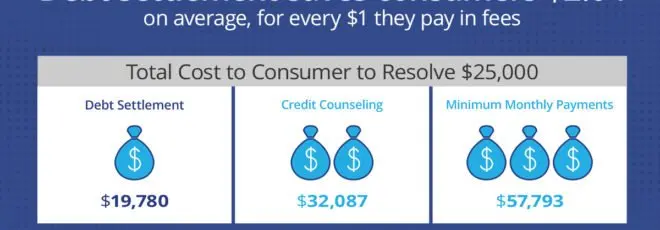
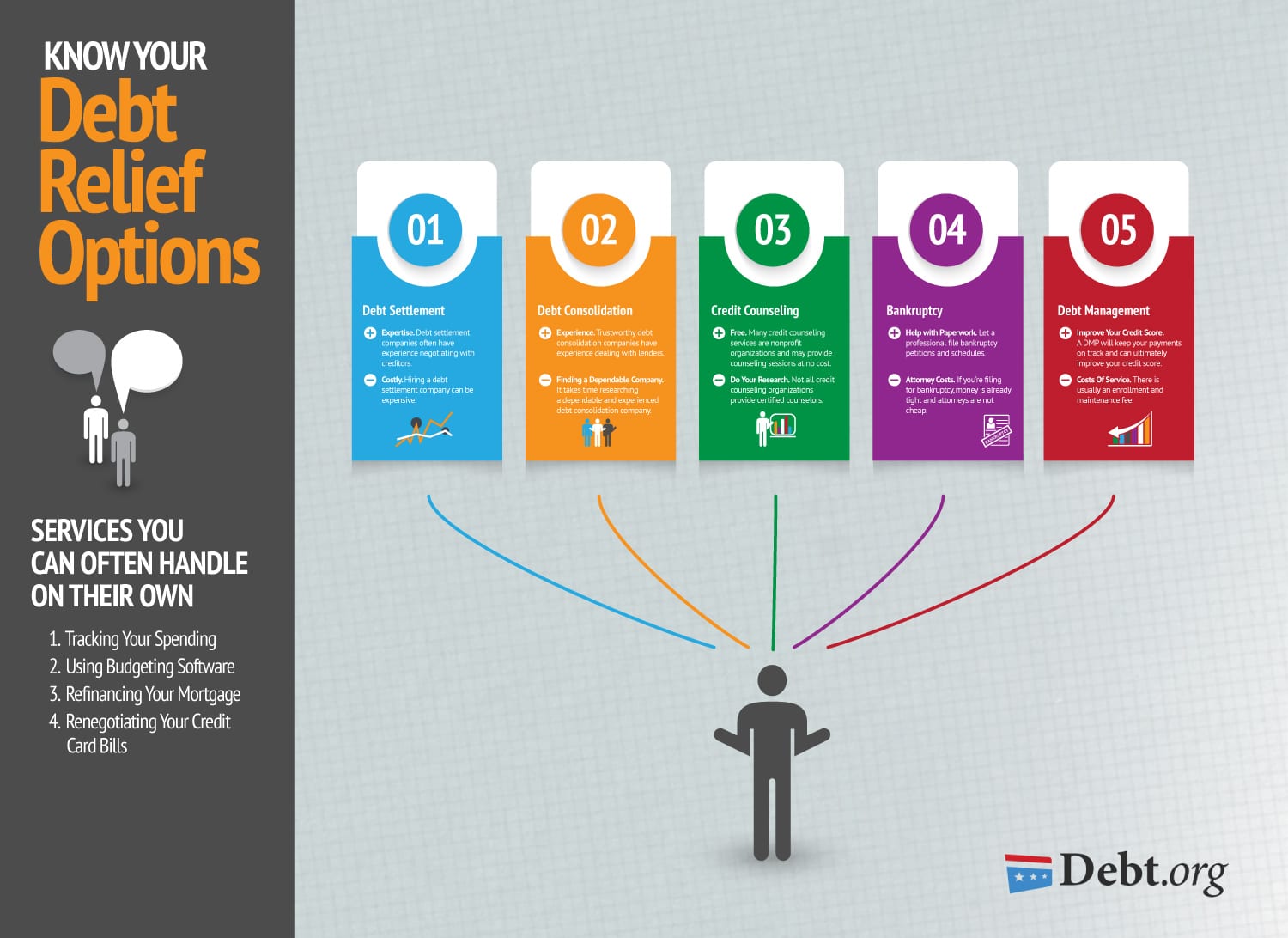
That frees up money in the short term, and you might have 3 to four years to conserve toward the negotiation amount. Very unsafe to credit history, mainly due to missed out on settlements and a negative "cleared up" mark that might remain on your credit score report for up to 7 yearsMay be just choice if other options (financial debt consolidation, equilibrium transfer charge card, financial debt mercy) aren't possibleTypically requires a fee to the 3rd party, which could offset some or all of the cost savings from debt settlementMay assist you prevent insolvency if you have actually missed numerous paymentsNot all lenders deal with financial debt negotiation firms Debt mercy may be appropriate for you if you are experiencing a monetary difficulty that makes it virtually difficult to pay down your financial obligation equilibriums.
With a DMP, you make one month-to-month settlement to the credit report counseling firm. Those funds are then distributed to lenders of your unsecured debts, such as bank card and installment lendings. The company works with your creditors to lower rate of interest or forgo fees, but some creditors might reject such concessions.
It can help you pay down debt if you're able to secure a funding price that's reduced than the typical price of the accounts you're consolidating. You need to avoid from racking up financial obligation on those freshly removed accounts or your debt can expand even greater.
These cards frequently offer a 0% passion initial period of up to 21 months. That gives you lots of time to eliminate or dramatically reduce your equilibrium while making interest-free repayments. For some people dealing with overwhelming debt, bankruptcy might be the only way to stop collection proceedings and lawfully settle their financial debts.
Facts About Understanding Various Relief Programs Available to You Revealed
You may need it if your financial institution or a collection agency ever tries to accumulate on the financial obligation in the future. When a lender forgives $600 or more, they are required to send you Type 1099-C.
Financial debt mercy or settlement virtually constantly hurts your credit report. Anytime you settle a financial obligation for less than you owe, it might appear as "cleared up" on your credit score record and influence your credit history for seven years from the day of settlement. Your credit history can likewise go down considerably in the months resulting in the mercy if you fall back on repayments.
About Recession and How More People Need for Professional Help
Tax obligation financial debt compromise programs Tax obligation financial obligation occurs when the amount of tax obligations you owe surpasses what you have actually paid. This scenario frequently results from underreporting income, not submitting returns on time, or inconsistencies found during an IRS audit. The effects of accumulating tax financial debt are major and can include tax liens, which offer the internal revenue service a lawful claim to your residential property as safety for the financial obligation.
Incomes and Bank Accounts IRS can levy (confiscate) wages and bank accounts to please the financial obligation. Property Seizure In severe cases, the Internal revenue service can confiscate and sell property to cover the financial obligation.
Depression, anxiety, and various other mental health problems. Social Preconception Encountering lawful action from the internal revenue service can lug social stigma. Damages to reputation and partnerships. Work Opportunities A poor credit report score because of strain financial debt can limit employment opportunities. Trouble searching for or keeping a job. Government Advantages Tax financial obligation may influence eligibility for federal government advantages, such as Social Protection and Medicaid.
Unknown Facts About Sector Developments for Debt Forgiveness and Consumer Protections
The OIC thinks about a number of factors, including the taxpayer's revenue, expenditures, possession equity, and capability to pay. Efficiently bargaining an OIC can be complex, needing a comprehensive understanding of the internal revenue service's guidelines and a strong argument for why your deal lines up with your capability to pay. It's crucial to note that not all applications are accepted, and the procedure calls for detailed economic disclosure.
The IRS assesses your overall economic circumstance, including your revenue, expenses, asset equity, and capability to pay. You need to additionally be present with all declaring and settlement demands and not be in an open bankruptcy proceeding. The internal revenue service additionally considers your compliance history, examining whether you have a record of prompt declaring and paying tax obligations in previous years.
The Greatest Guide To How Bankruptcy Counseling Makes a Difference
The application procedure for a Deal in Compromise involves several in-depth steps. You must finish and send Internal revenue service Type 656, the Offer in Concession application, and Type 433-A (OIC), a collection details declaration for individuals. These forms need comprehensive monetary details, including information regarding your revenue, financial obligations, expenditures, and properties.
Back tax obligations, which are overdue tax obligations from previous years, can substantially enhance your complete IRS financial obligation if not dealt with immediately. This financial obligation can build up rate of interest and late repayment charges, making the original amount owed a lot bigger over time. Failure to repay tax obligations can result in the IRS taking enforcement activities, such as releasing a tax obligation lien or levy against your home.
It is very important to address back taxes as soon as possible, either by paying the total owed or by organizing a repayment strategy with the IRS. By taking positive steps, you can avoid the buildup of added passion and charges, and avoid much more hostile collection activities by the IRS.
One common factor is the belief that the taxpayer can pay the total either as a lump amount or via a layaway plan. The IRS additionally takes into consideration the taxpayer's revenue, expenses, asset equity, and future earning capacity. If these elements show that the taxpayer can pay for to pay greater than the provided quantity, the IRS is likely to reject the offer.
The Regulatory Aspects in 10 Tips to Boost Your Savings and Improve Financial Health: APFSC Statements
Dealing with Internal revenue service financial debt can be complex and complicated. Tax specialists, such as Certified public accountants, tax lawyers, or enlisted representatives, can provide important aid.

Table of Contents
Latest Posts
Things about Regulatory Factors in Bankruptcy Proceedings

The Buzz on Rebuilding Personal Credit Score the Right Way

The Basic Principles Of Your First Step to Debt Counseling with Professionals
More
Latest Posts
Things about Regulatory Factors in Bankruptcy Proceedings
The Buzz on Rebuilding Personal Credit Score the Right Way
The Basic Principles Of Your First Step to Debt Counseling with Professionals